
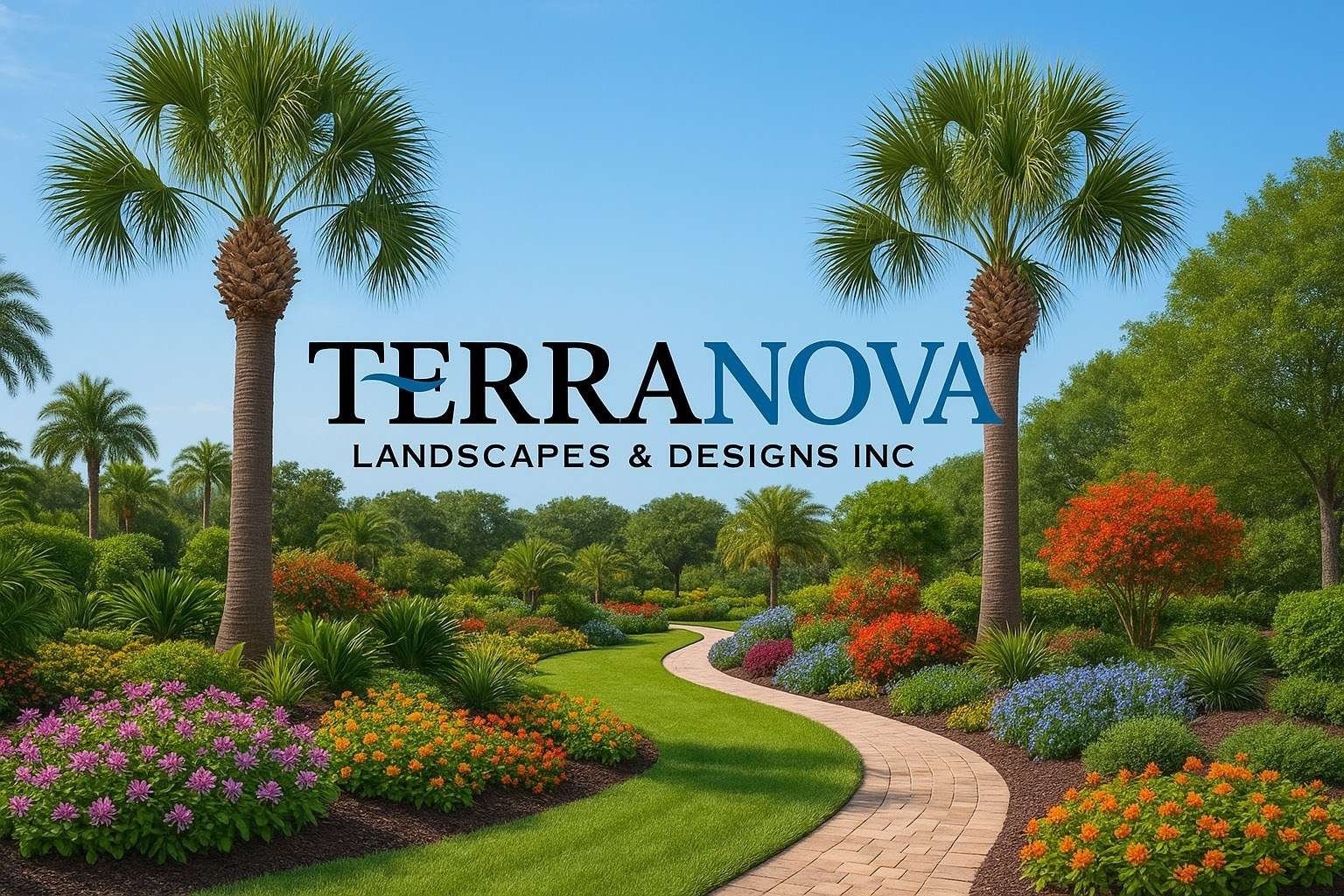
 Designing a landscape in Florida means working with abundant sunshine, seasonal rainfall, humidity, and occasional tropical storms. The state’s subtropical and tropical climate offers year-round growing potential, but it also demands thoughtful plant selection and design strategies to ensure beauty, sustainability, and resilience.
1. Florida-Friendly Landscaping
Florida-Friendly Landscaping (FFL) focuses on using native and well-adapted plants that require minimal irrigation and fertilizer. This approach supports local ecosystems, attracts pollinators, and reduces maintenance. Examples include coontie palms, muhly grass, and firebush, which thrive with little intervention while offering vibrant, seasonal color.
2. Tropical and Subtropical Gardens
For a lush, resort-like feel, tropical and subtropical garden designs work beautifully in much of Florida. Incorporating palms, hibiscus, crotons, and bird of paradise creates a vibrant and exotic aesthetic. Layering tall palms with mid-height shrubs and colorful groundcovers can provide visual depth and year-round interest.
3. Drought-Tolerant Xeriscaping
Florida experiences dry spells, especially in late winter and early spring. Xeriscaping incorporates drought-tolerant plants like agave, yucca, and blanket flowers, paired with decorative gravel or mulch to conserve soil moisture. This design reduces water bills while keeping the landscape attractive even during dry seasons.
4. Coastal Landscape Designs
For homes near Florida’s shoreline, coastal landscaping uses salt-tolerant plants and wind-resistant species. Seagrape, beach sunflower, and saw palmetto are excellent choices. Hardscape elements such as pavers, shells, and dune fencing can enhance durability while blending seamlessly with the coastal environment.
5. Shade and Cooling Features
Florida’s heat can be intense, making shade a valuable design element. Strategic planting of large canopy trees like live oaks, combined with pergolas, trellises, and vine-covered arbors, creates cooler microclimates. This not only makes outdoor spaces more enjoyable but also reduces home cooling costs.
6. Rain Gardens and Water Management
With Florida’s frequent heavy rains, proper drainage and water management are essential. Rain gardens, swales, and permeable pavers help control runoff and reduce flooding. These designs can be integrated beautifully into a landscape while supporting native wetland plants such as pickerelweed and blue flag iris.
7. Outdoor Living Spaces
Florida’s climate encourages year-round outdoor living. Incorporating patios, outdoor kitchens, and fire pits into the landscape allows homeowners to enjoy their gardens in every season. Blending these features with lush planting beds and low-maintenance turf creates a seamless indoor-outdoor lifestyle.
In Summary:
Florida’s climate offers incredible opportunities for creative, sustainable landscaping. Whether you prefer tropical vibrance, low-water xeriscaping, or coastal durability, the key is choosing plants and materials suited to the environment. A well-planned design not only looks beautiful but also thrives naturally, requiring less water, fertilizer, and upkeep—making it a win for both homeowners and the environment.
For your Professional Landscape Design and Garden Center, contact Terranova Outdoor Living. Follow us on Facebook and Instagram.
This content is for general reading purposes only and is not intended as legal or professional advice.
