
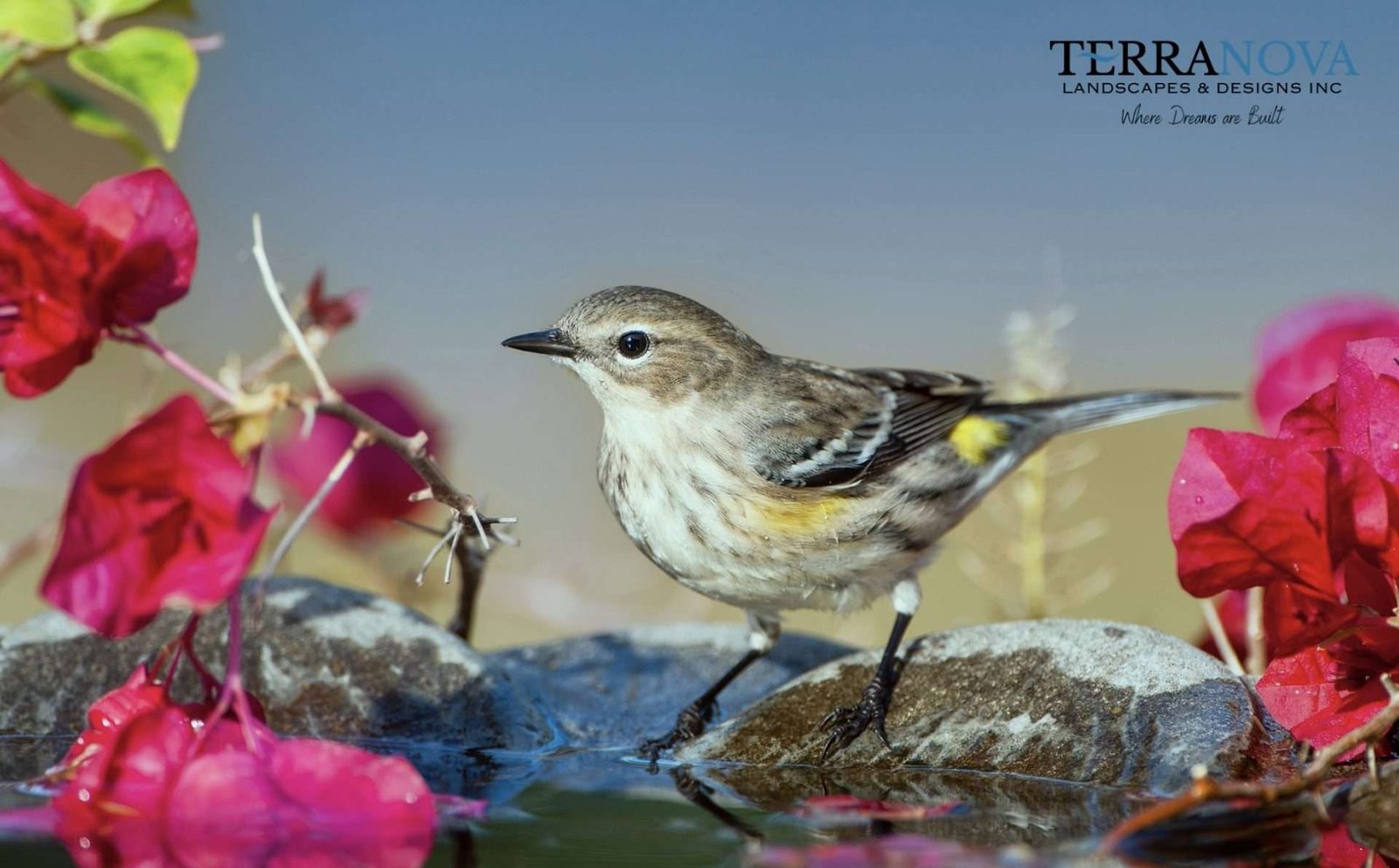
Designing a bird-friendly yard is more than an aesthetic choice—it’s a meaningful way to support local wildlife, encourage biodiversity, and bring nature closer to home. Whether you’re in a suburban neighborhood or a rural setting, thoughtful landscaping can turn your outdoor space into a thriving haven for birds. From food sources and nesting sites to shelter and water access, here are the top considerations to keep in mind when creating a bird-friendly yard.
The foundation of any bird-friendly yard starts with native plants. Birds have evolved alongside local plant species, which provide the right types of food, shelter, and nesting materials. Native trees, shrubs, and flowers attract the insects and caterpillars many birds rely on—especially during breeding season when protein-rich food is critical for young birds.
Choose a diverse mix of native plants that offer nectar, berries, seeds, and nuts throughout the year. In Florida, for example, firebush, beautyberry, wax myrtle, and slash pine are all excellent choices that support local bird populations.
A variety of plant heights and densities mimics the natural habitat structure that birds love. By layering your landscape with ground cover, shrubs, small trees, and tall canopy trees, you provide different types of shelter and foraging zones for various bird species.
Ground-nesting birds like towhees will appreciate low cover and thick brush, while species like warblers and cardinals may prefer higher shrubbery. The vertical diversity not only increases bird traffic but also makes your yard feel more lush and dynamic.
Birds need clean water to drink and bathe in, especially in hot or dry climates. A simple birdbath can attract a surprising number of species, while a moving water source—like a small fountain or dripper—can draw even more.
Keep your water features shallow (no more than two inches deep) with gently sloping sides or stones for safe footing. Clean them regularly to prevent bacteria and mosquitoes. In colder climates, consider a heated birdbath to provide water year-round.
Many birds build nests in dense shrubs, tree cavities, or manmade boxes. Encourage nesting by keeping thick hedges, brush piles, and mature trees intact. You can also add birdhouses tailored to specific species—like bluebirds, wrens, or chickadees.
Avoid excessive pruning during the spring and early summer nesting season. Leave some dead trees or limbs standing if they don’t pose a safety risk—these snags offer excellent nesting and feeding opportunities for woodpeckers, owls, and other cavity-nesters.
Healthy insect populations are vital to bird diets, especially for fledglings. Pesticides and herbicides not only kill off the insects birds need but can also poison the birds themselves through contaminated food or water.
Opt for organic or natural pest control methods, and let your garden grow a bit wild. A few chewed leaves or garden visitors are a small price to pay for a thriving backyard ecosystem.
Glass windows are a serious danger to birds. Millions die each year due to window collisions. Place bird feeders within three feet of windows or use window decals and screens to reduce reflection. Also, keep outdoor cats indoors or in enclosed “catios” to prevent predation.
If you’re adding garden lighting, choose downward-facing, warm-colored lights to reduce disorientation during bird migrations.
Bird feeders can be a great way to support birds, especially in winter or urban areas where natural food sources are limited. Use high-quality seed blends and clean feeders often to prevent mold and disease. Offer a variety of foods like suet, nyjer seed, sunflower seeds, or fruit depending on the birds you wish to attract.
However, feeders should complement—not replace—a well-planted, bird-friendly landscape.
Final Thoughts
Designing a bird-friendly yard is a rewarding way to bring nature into your everyday life. With the right plants, habitat, and mindful practices, your landscape can become a sanctuary for birds and a peaceful retreat for you. Whether you’re an experienced birder or just someone who enjoys the sound of songbirds in the morning, a yard designed with birds in mind is a gift to both wildlife and your own well-being.
For your professional Tampa Landscaping Design and Garden Center, contact Terranova Outdoor Living. Follow us on Facebook and Instagram.
This content is for general reading purposes only and is not intended as legal or professional advice.

*Disclaimer: we have selected these approved testimonials to show on our website. We always strive to have complete customer satisfaction and guarantee we will work with our customers until a satisfactory product is achieved.
*Disclaimer: we have selected these approved testimonials to show on our website. We always strive to have complete customer satisfaction and guarantee we will work with our customers until a satisfactory product is achieved.
© 2024 Terranova Landscapes & Designs Inc. GC License: CGC1535649
Follow us: