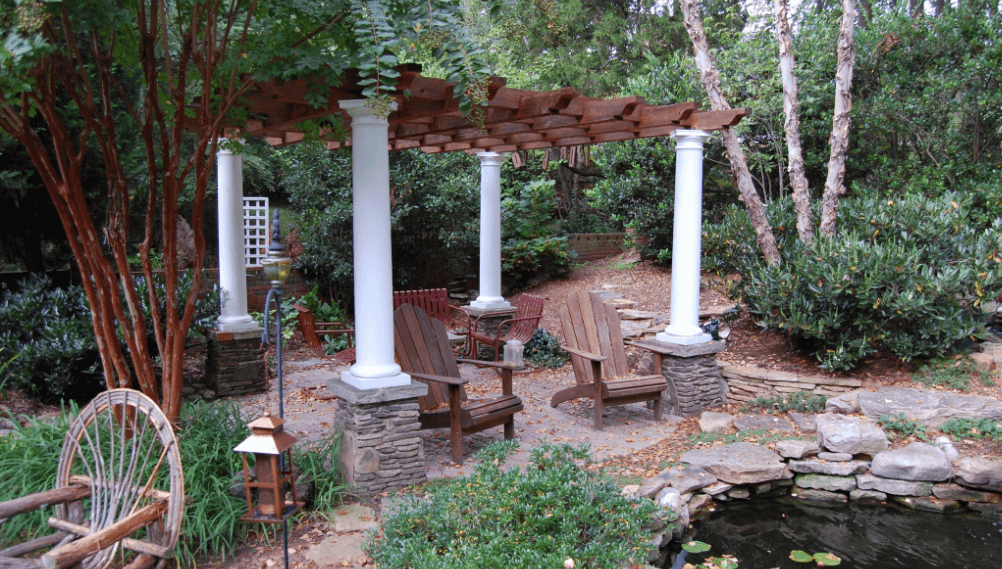
What Is the Difference Between a Gazebo and a Pergola?

What Is the Difference Between a Gazebo and a Pergola?

Gazebos and pergolas are distinct structures designed to enhance outdoor spaces with style and function. A gazebo is a freestanding, open-sided structure with a solid roof, offering full coverage and shelter, ideal for gatherings or solitary relaxation. They often feature circular or octagonal shapes. In contrast, a pergola consists of an open framework with vertical posts and a latticed roof, allowing light to filter through and creating inviting shaded areas. Pergolas are perfect for supporting climbing plants and integrating seamlessly into outdoor landscapes. Understanding these differences can guide you in selecting the right option for your outdoor needs.

Key Takeaways:

  • A gazebo is fully covered, providing complete shelter, while a pergola has an open-roof design for partial shade.
  • Gazebos are typically circular or octagonal, whereas pergolas are rectangular or square with cross beams.
  • Gazebos serve as focal points for gatherings, while pergolas support climbing plants and enhance garden aesthetics.
  • Gazebos require a solid foundation and are more enclosed; pergolas are open-sided and integrate more with landscapes.
  • Gazebos generally have higher installation costs than pergolas, which are more budget-friendly and versatile.

What is a Gazebo?

gazebo is a freestanding, open-sided structure typically featuring a solid roof that offers shelter and aesthetic appeal. Primarily crafted from materials such as wood, metal, or vinyl, gazebos are designed to serve as focal points in gardens or parks, providing a versatile space for relaxation or social gatherings. Their strategic placement in scenic locations enhances the overall ambiance, making them popular choices for both residential and public landscapes in regions like Clearwater and Tampa, where Terranova Landscapes & Designs Inc. operates.

Structure

Gracefully adorning gardens and parks, gazebos are freestanding, open-sided structures typically characterized by a circular or octagonal shape. These enchanting structures boast a variety of design styles that enhance their aesthetic appeal. When considering structural differences, gazebos are distinct due to their solid roofs, which offer full protection from the elements.

For those interested in adding a gazebo to their property, understanding the installation process and associated costs is essential. Here are some key considerations:

  • Installation Process: Typically requires a solid foundation and professional assembly.
  • Maintenance Tips: Regular cleaning and occasional sealing can prolong lifespan.
  • Cost Comparison: Gazebos are generally more expensive than pergolas, reflecting their intricate designs and durable materials.

Ultimately, gazebos provide both beauty and functionality, elevating any outdoor space.

Roof

The roof of a gazebo, often constructed from materials like wood, metal, or vinyl, is a defining feature that sets it apart from other outdoor structures. Roof types vary widely, including domed, pitched, or tiered designs, each offering unique aesthetic appeal and functional advantages. When considering design considerations, it is crucial to evaluate the local climate for ideal weather protection. For instance, a pitched roof can effectively channel rainwater, making it suitable for wetter climates.

Installation options range from prefabricated kits to custom-built structures, allowing homeowners flexibility in aligning with their landscape. Regular maintenance tips, such as treating wood to prevent rot or rust-proofing metal components, can prolong the lifespan of the gazebo’s roof, ensuring it remains an attractive and functional feature in any outdoor setting.

Purpose

Exploring the defining features of a gazebo’s roof naturally leads to understanding the overall purpose of this popular outdoor structure. Gazebos serve as versatile additions to any landscape, offering a blend of outdoor aesthetics and functional spaces. They enhance garden environments by providing a focal point that can be customized according to personal preferences. The primary purposes of a gazebo include:

  • Social Gatherings: Ideal for hosting events such as parties, weddings, or family BBQs, gazebos create welcoming spaces for guests.
  • Garden Enhancements: As charming landscaping features, they elevate the visual appeal of gardens and yards.
  • Shelter and relaxation: Gazebos provide shaded retreats from the sun, allowing individuals to unwind in a tranquil setting.

Ultimately, their design aligns with diverse landscaping goals.

Location

Understanding the location of a gazebo is vital in determining its functionality and aesthetic impact within a landscape. Location considerations involve analyzing how a gazebo can enhance outdoor aesthetics while seamlessly integrating into the existing landscaping. A thoughtfully placed gazebo not only elevates property value but also maximizes seasonal usage, providing shelter and comfort throughout the year. Climate adaptability is important, especially in regions like Clearwater, Laguna, St. Petersburg, and Tampa, Florida, where weather conditions vary. Gazebos should be situated to take advantage of natural breezes or provide shade, guaranteeing ideal comfort. Additionally, strategic placement can create focal points in a garden, offering both visual appeal and practical use. Proper placement guarantees the gazebo complements the property’s overall design.

Materials

A gazebo is a freestanding, open-sided structure often found in gardens or parks, designed to provide shelter, shade, and aesthetic enhancement to outdoor spaces. When considering materials for a gazebo, several factors come into play:

  • Wood Options: Cedar and redwood are popular choices due to their natural resistance to decay and insects, impacting the overall cost comparison and durability factors.
  • Maintenance Tips: Regular sealing and staining are essential to preserve the wood’s appearance and extend its lifespan.
  • Design Styles: Gazebos can be customized to match various architectural styles, influencing the installation process and overall aesthetic.

What is a Pergola?

pergola is an outdoor structure characterized by its open framework, typically consisting of vertical posts supporting cross beams and a latticed roof. Unlike a gazebo, a pergola’s roof is often left open to allow sunlight to filter through, creating a shaded walkway or sitting area. These structures are commonly used to define outdoor spaces, enhance garden aesthetics, and are constructed from materials like wood, metal, or vinyl, often located in gardenspatios, or along a path.

Structure

Pergolas are versatile outdoor structures that provide both aesthetic appeal and functional benefits to a garden or backyard. With thoughtful design considerations, they enhance space utilization while offering customization options to suit individual preferences. The structure’s open framework allows for a seamless blend with the natural environment, reducing environmental impact. When planning a pergola, consider the following:

  • Design Considerations: Choose materials and styles that complement your garden’s aesthetic appeal and align with maintenance requirements.
  • Space Utilization: Strategically position the pergola to maximize space, creating an inviting area for relaxation or entertainment.
  • Customization Options: Tailor the structure to your specific needs, from size and shape to materials, ensuring it harmonizes with existing landscaping features.

Roof

While the structure of pergolas offers numerous customization possibilities, the roof plays an essential role in defining both the character and functionality of these outdoor installations. Roof styles for pergolas are typically open, using slatted or lattice designs that allow sunlight to filter through, creating dynamic shadows. The choice of roof materials, such as wood, metal, or vinyl, influences the roof aesthetics, enhancing the overall appeal. Roof designs can range from traditional to modern, each providing unique roof benefits like partial shade and air circulation. Proper roof maintenance, including regular cleaning and inspections, guarantees longevity and preserves the structure. Ultimately, the roof of a pergola contributes considerably to its visual charm and practical utility in a landscape setting.

Purpose

With their distinctive open-roof design, pergolas serve as a versatile addition to any outdoor space, providing both aesthetic and functional benefits. These structures enhance aesthetic appeal while offering practical solutions for outdoor living. When considering pergolas, several factors should be taken into account:

  • Design Considerations: Choose materials and styles that complement your landscape, balancing beauty and durability.
  • Functional Uses: Pergolas offer shade and support climbing plants, creating inviting spaces for relaxation or entertainment.
  • Maintenance Requirements: Regular upkeep, such as cleaning and sealing, is necessary to preserve their appearance and longevity.

Pergolas are often more cost-effective than other structures, making them an attractive option for budget-conscious homeowners. Their open design allows for seasonal usage, adapting to different weather conditions while enhancing outdoor enjoyment.

Location

Understanding where to place a pergola is key to maximizing its benefits in an outdoor setting. Location considerations play a pivotal role in ensuring that the structure complements the backyard aesthetics while serving its functional purpose. Ideal placement involves evaluating sun exposure, as a pergola can provide partial shade and enhance comfort during sunny days. Aligning the pergola with the neighborhood style can also enhance the overall cohesion of the outdoor space. However, it is essential to check local regulations, as some areas may have specific guidelines regarding the construction and dimensions of such structures. By thoughtfully considering these factors, homeowners can create a harmonious and aesthetically pleasing environment that enhances their outdoor living experience with a well-placed pergola.

Materials

A pergola’s defining characteristic lies in its open-roof design, typically constructed from a variety of materials that blend form with function. When selecting materials for a pergola, consider the following:

  • Wood Options: Known for its natural beauty and versatility, wood offers a traditional aesthetic. Cedar and redwood are popular for their durability and resistance to decay. However, they require regular maintenance to preserve their appearance.
  • Metal Choices: Aluminum and steel provide a modern look with low maintenance needs. While initially more expensive, they offer long-term savings in upkeep.
  • Vinyl Benefits: Vinyl is a cost-effective and low-maintenance choice, resistant to rot and insect damage. Its design styles are varied but may lack the warmth of natural materials.

Careful consideration of these elements guarantees a pergola that suits both style and budget.

Create Your Ideal Outdoor Retreat With The Right Structure!

Transforming your backyard into an idyllic outdoor retreat involves selecting the right structure to suit both your aesthetic preferences and functional needs. Whether you choose a gazebo or pergola, both can greatly enhance your outdoor ambiance and create dedicated relaxation zones. A gazebo offers a fully covered space, ideal for social gatherings or as a personal sanctuary amidst your garden aesthetics. Meanwhile, a pergola adds elegance with its open-roof design, perfect for landscape integration and allowing the beauty of nature to permeate the space. The choice between these structures depends on your vision for comfort, style, and how you wish to utilize your outdoor area. Terranova Landscapes & Designs Inc. can help you craft the perfect outdoor setting in ClearwaterLargoSt. Petersburg, and Tampa, Florida.

Contact us today for a free consultation and let’s transform your backyard into your dream oasis.

FAQs

Gazebos and pergolas are typically constructed from wood, metal, or vinyl. Each material offers distinct design styles, functional uses, and aesthetic appeal, affecting cost comparisons. Proper installation processes guarantee seamless landscaping integration and enhance their overall visual attractiveness.
Installation time for gazebos and pergolas varies based on structure complexity and size. DIY options may take longer compared to professional services. Gazebo types and pergola designs also influence installation costs, with simpler designs typically requiring less time.
Both gazebos and pergolas can be designed for weather resilience in Florida. Ensuring structural stability, wind resistance, UV protection, and moisture impact mitigation are essential. Implementing storm preparedness strategies will enhance their ability to withstand Florida’s challenging weather conditions.
In Florida, obtaining building permits for gazebo or pergola installations is often necessary. Compliance with zoning regulations, construction codes, and installation guidelines is essential. Additionally, homeowner associations and property lines can influence permit requirements and project feasibility.
Maintenance frequency for gazebos and pergolas varies due to differing structural materials. Gazebo upkeep involves regular weatherproof treatments and structural repairs, while pergolas require specific cleaning methods, seasonal preparations, and monitoring longevity factors to guarantee ideal condition.