
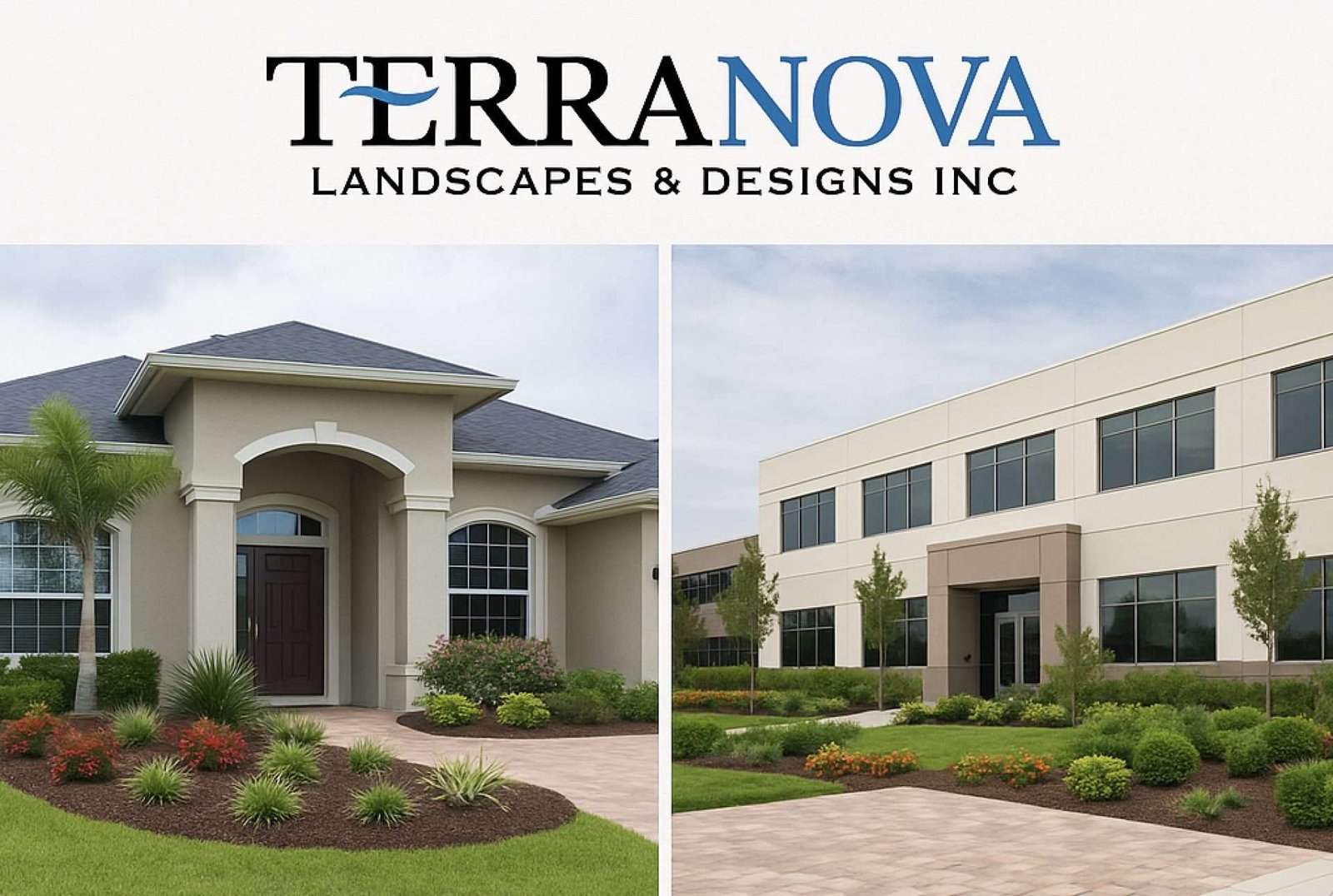
A well-designed landscape is more than just an attractive outdoor space—it’s an investment that enhances curb appeal, supports sustainability, and creates functional areas for living or working. Whether you’re improving a private home or a commercial property, smart landscape design blends beauty, purpose, and long-term value.
Smart landscaping begins with understanding the property’s unique needs. For residential spaces, this may include outdoor living areas, play zones, and privacy features. Commercial landscapes often focus on welcoming entrances, safe walkways, and low-maintenance greenery that reflects the brand’s image. Identifying these priorities ensures every design element serves a purpose.
Choosing the right plants is key to a successful design. Native and climate-adapted plants thrive with less water, fewer fertilizers, and minimal maintenance—saving time and resources. In warm regions like Florida, species such as coontie palms, muhly grass, and hibiscus offer year-round appeal while handling the heat.
Paved walkways, patios, retaining walls, and outdoor seating areas enhance usability. In commercial settings, hardscapes can guide visitor flow, improve accessibility, and create inviting gathering spots. For residential properties, they extend living space and provide durable surfaces for entertaining or relaxation.
Water efficiency and eco-friendly techniques make a big difference for both homes and businesses. Drip irrigation systems, rainwater harvesting, and permeable pavers reduce water waste and stormwater runoff. These choices not only lower environmental impact but can also reduce operating costs.
A thoughtful mix of trees, shrubs, and groundcovers creates balance and visual interest. Layering plants of varying heights frames buildings, softens hard edges, and guides the eye through the space. This approach works equally well for residential gardens and professional plazas.
Smart landscape design considers safety features such as well-lit walkways, non-slip paving materials, and clear sightlines for security. In commercial settings, this helps meet accessibility standards and provides a welcoming experience for all visitors.
A vibrant landscape shouldn’t fade with the seasons. Combining evergreen plants, seasonal blooms, and ornamental grasses ensures color and texture throughout the year. Lighting can highlight key features at night, keeping the space attractive and functional after dark.
Smart landscape designs balance beauty, functionality, and sustainability. By tailoring features to the property’s purpose, choosing climate-appropriate plants, and incorporating thoughtful hardscapes, both residential and commercial landscapes can thrive for years to come. Whether it’s a cozy backyard retreat or an inviting corporate entrance, the right design transforms outdoor spaces into lasting assets.
For your Professional Landscape Design and Garden Center, contact Terranova Outdoor Living. Follow us on Facebook and Instagram.
This content is for general reading purposes only and is not intended as legal or professional advice.

*Disclaimer: we have selected these approved testimonials to show on our website. We always strive to have complete customer satisfaction and guarantee we will work with our customers until a satisfactory product is achieved.
*Disclaimer: we have selected these approved testimonials to show on our website. We always strive to have complete customer satisfaction and guarantee we will work with our customers until a satisfactory product is achieved.
© 2024 Terranova Landscapes & Designs Inc. GC License: CGC1535649
Follow us: