
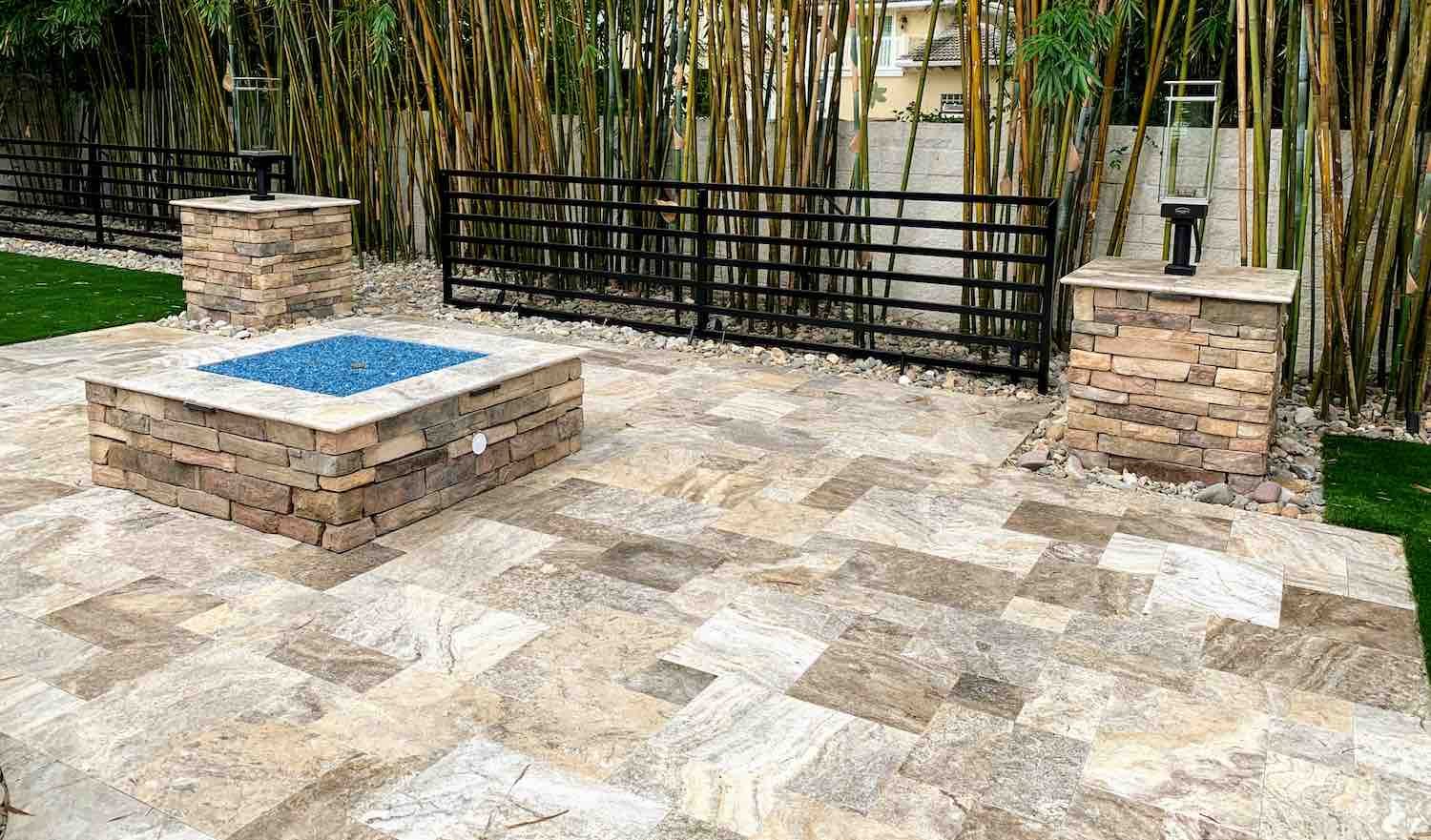
Concrete patios are a durable addition to your landscaping, but without regular care they can accumulate stains and grime. Here’s a practical guide to keep your patio in top shape, providing not only a clean appearance but also extending its life, helping you to enjoy your backyard landscape design longer.
A little prep goes a long way, so start by gathering everything you’ll need:
Suggested Cleaners
Start by sweeping away dirt and leaves. This helps the patio look cleaner right away and keeps debris from causing surface wear over time. Leaves left on surfaces will stain them, so best to keep them clear of leaf litter. Feed the leaves to your plants instead.
Address different types of stains for a thorough clean:
Pick the best cleaning solution for the job:
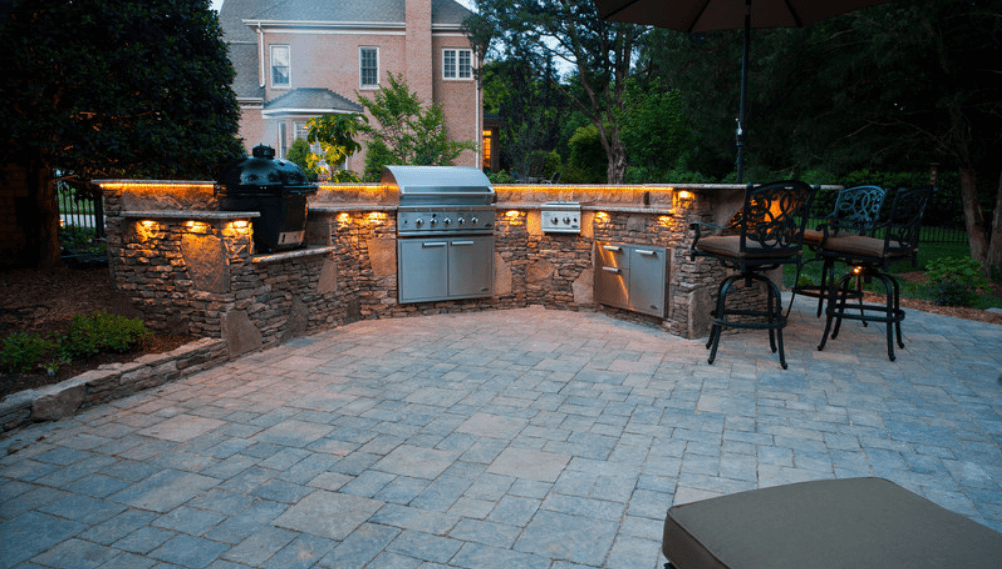
Routine care and a few preventive steps can keep your paver patio looking great.
Ready to take your patio to the next level? Terranova Landscapes & Designs Inc. can help keep your patio in pristine shape with expert concrete patio installation services. Mike Linn, with 30 years in the industry, knows exactly how to maintain outdoor spaces in Florida’s climate. We proudly serve Clearwater, Tampa, St. Petersburg, and Largo! Contact us today!
Share this Post:
Avoid bleach, as it may fade the color. Try pH-neutral cleaners to protect color and keep surfaces clean.
Every 2-3 years, depending on exposure. Regular resurfacing helps your patio stand up to Florida’s humidity and sunlight.
Early morning or evening. This prevents cleaners from drying too quickly and makes rinsing easier.
They are, as long as you use them at a moderate PSI and with the right nozzle.
For fresh oil stains, sprinkle baking soda and scrub with dish soap. For older stains, apply a biodegradable degreaser and scrub vigorously.

*Disclaimer: we have selected these approved testimonials to show on our website. We always strive to have complete customer satisfaction and guarantee we will work with our customers until a satisfactory product is achieved.
*Disclaimer: we have selected these approved testimonials to show on our website. We always strive to have complete customer satisfaction and guarantee we will work with our customers until a satisfactory product is achieved.
© 2024 Terranova Landscapes & Designs Inc. GC License: CGC1535649
Follow us: