
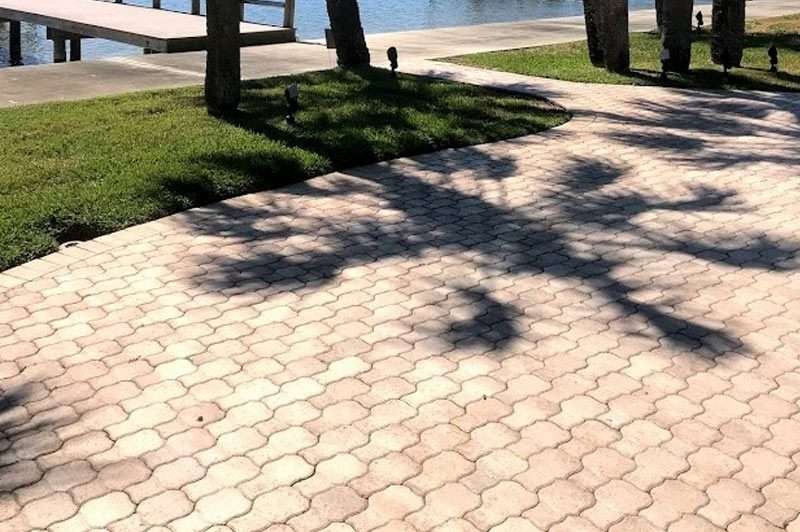
For a typical residential patio, a concrete thickness of 4 inches is generally sufficient to support everyday activities and moderate loads such as outdoor furniture and standard gatherings. This recommendation guarantees durability and withstands various environmental conditions including the local climate’s freezing and thawing cycles. Additionally, factors such as soil conditions, load requirements, and reinforcement needs may necessitate adjustments to this standard thickness. Proper installation and adherence to local building codes are essential for ideal longevity and function. By further exploring these elements, homeowners can confirm their patio investment is sound and secure for years to come.
Understanding the appropriate thickness of concrete for patio construction is vital for durability and structural integrity. Selecting the right concrete types, integrating effective drainage solutions, and choosing aesthetic finishes are imperative. Installation costs vary based on materials and labor. Weather considerations impact project planning and concrete setting times. Proper planning guarantees the patio withstands local climate conditions and usage demands.
When considering the appropriate thickness for a concrete patio, one must account for potential heavy loads such as outdoor furniture, grills, and even vehicles in some cases. Proper load distribution, material selection, and design considerations are essential. These factors influence not only the structural integrity but also decorative options, environmental impact, and overall cost analysis, ensuring both functionality and aesthetic appeal.
Building on the understanding of soil conditions, it is equally important to contemplate the role of reinforcement in determining the necessary thickness of concrete for patios. Various reinforcement types and installation methods influence cost considerations and aesthetic options. Properly reinforced concrete offers long-term benefits, reducing the need for frequent repairs. Selecting the right reinforcement can guarantee durability and enhance the overall quality of the patio.
In regions experiencing seasonal freezing and thawing, the concrete thickness for patios must be carefully considered to prevent structural damage. Adequate thickness guarantees freeze resistance, mitigating risks from winter weather. Thaw cycles, coupled with temperature fluctuations, can exacerbate moisture retention, leading to cracks. Properly designed concrete can withstand these seasonal impacts, maintaining structural integrity over time.
Having established a solid base layer, the next step involves applying specific installation techniques to ensure the concrete patio is properly laid out and structurally sound. Expert use of installation tools shapes the patio design, texture options, and color choices. Effective drainage solutions are integrated to prevent water accumulation. Finishing techniques enhance the aesthetics and secure the concrete’s longevity and appeal.
Your Trusted Partner:
At Terranova Landscapes & Designs Inc., we specialize in designing and installing patios in Clearwater, St. Petersburg, Largo, Tampa, and surrounding areas. Our experienced landscaper can help you choose the perfect concrete patio for your outdoor space and create a beautiful and functional design.
Contact us today for a free consultation and let’s transform your backyard into your dream oasis.
Share this Post:

*Disclaimer: we have selected these approved testimonials to show on our website. We always strive to have complete customer satisfaction and guarantee we will work with our customers until a satisfactory product is achieved.
*Disclaimer: we have selected these approved testimonials to show on our website. We always strive to have complete customer satisfaction and guarantee we will work with our customers until a satisfactory product is achieved.
© 2024 Terranova Landscapes & Designs Inc. GC License: CGC1535649
Follow us: