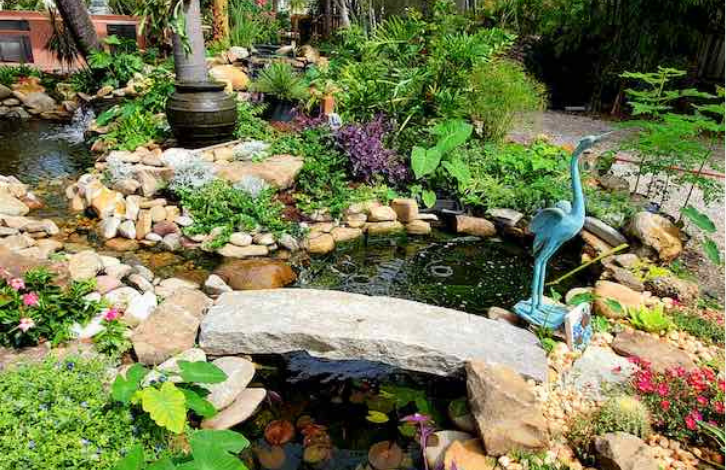
7 Tips for Enhancing Clay Soil for Gardening Success

Gardening services

Enhancing clay soil for gardening success involves strategic interventions focused on improving soil structure and nutrient balance. Start by adjusting water drainage to prevent waterlogging, and integrate organic matter to improve aeration and moisture retention. Regular cleaning of tools and surfaces reduces disease risks and enhances soil amendment efficacy. Use natural algaecides with care to preserve beneficial soil microbes and maintain plant health. Consider installing a UV clarifier to manage pathogens and algae. Regular pH testing and balanced amendments guarantee ideal growth conditions. Finally, thoughtful shading strategies help create a balanced ecosystem. Discover these practices to enrich your gardening journey.

Key Takeaways:

  • Incorporate organic matter to improve soil structure and drainage in clay soils.
  • Select plants suited for clay soil conditions to ensure successful growth.
  • Regularly test pH and amend soil to maintain balanced soil acidity.
  • Increase aeration to reduce soil compaction and enhance root development.
  • Implement effective drainage solutions to prevent waterlogging and promote oxygenation.

Tip #1: Turn off and drain the water

In Terranova Landscapes & Designs Inc.’s approach to enhancing clay soil for gardening, an essential initial step involves the careful management of water systems. Effective drainage solutions are vital to prevent waterlogging, which can hinder root development. By turning off excessive water sources and implementing systems to drain excess moisture, the soil’s structure can be improved. Introducing soil amendments such as organic matter enhances moisture retention while promoting aeration, critical for healthy root growth. The strategic selection of plants suited for clay soil conditions further guarantees a thriving garden. These plants, when paired with the right amendments, adapt well, balancing moisture and nutrients. In this way, Terranova Landscapes & Designs Inc. secures a robust foundation for successful gardening in clay-rich environments.

Tip #2: Scrub the surfaces

Before addressing the intricacies of clay soil enhancement, it is vital to guarantee that all gardening tools and surfaces are meticulously cleaned. This foundational step guarantees the effectiveness of soil amendment techniques and prevents contamination. Clean tools facilitate the mixing of organic matter, critical for improving drainage solutions in clay soil. Furthermore, sanitized surfaces support proper plant selection by reducing the risk of disease transmission, which can hinder growth. Thorough cleaning also enhances the mulching benefits by allowing organic layers to settle without interference, thereby aiding in moisture retention and temperature regulation. Additionally, maintaining clean equipment ensures accurate pH adjustment, enabling a balanced environment for plant growth. Essentially, scrubbing surfaces is a pivotal precursor to successful soil enhancement.

Tip #3: Use Algaecide

Algaecide plays an essential role in managing the moisture conditions necessary for enhancing clay soil in gardens. Proper algaecide application can prevent algae growth, which often exacerbates the poor drainage associated with clay soils. Consider these key points for ideal results:

  • Natural alternatives: Seek eco-friendly algaecides to minimize environmental impact and maintain plant compatibility.
  • Timing considerations: Apply algaecide during early morning or late afternoon to reduce evaporation and enhance effectiveness.
  • Dosage guidelines: Follow specific dosage instructions to avoid over-application that may harm beneficial microbes.
  • Environmental impact: Choose products certified for minimal ecological disruption to protect local wildlife and water sources.
  • Plant compatibility: Verify the selected algaecide is safe for plants in your garden, avoiding potential phytotoxicity.

Effective management guarantees a healthier, more productive garden

Tip #4: Install a UV Clarifier

Integrating a UV clarifier into your gardening setup offers a modern solution to enhance clay soil conditions. The UV benefits include reducing pathogens and algae by harnessing ultraviolet light, promoting healthier soil and plant growth. Proper UV installation is vital to achieve ideal results; verify the device is correctly positioned in relation to the water source for effective UV placement. This guarantees maximum UV effectiveness in treating the water that feeds your garden. Regular UV maintenance, such as cleaning the quartz sleeve and replacing the UV bulb annually, confirms continuous operation and UV safety, protecting both the environment and your plants. Incorporating a UV clarifier can greatly improve the health of your garden, making it an essential tool for any serious gardener.

Tip #5: Balance Water Chemistry

Balancing water chemistry is a crucial aspect of optimizing clay soil for gardening success. The dense nature of clay soil necessitates careful attention to water retention and drainage solutions. Soil amendments such as adding organic matter can enhance both water retention and drainage, creating a hospitable environment for plant roots.

Conducting regular pH testing guarantees the soil maintains a balanced pH level, promoting healthy microbial activity essential for nutrient availability. Implementing effective drainage solutions prevents waterlogging, which can stifle plant growth and reduce root oxygenation.

To enhance clay soil effectively, consider the following:

  • Incorporate organic matter like compost or aged manure.
  • Regularly perform pH testing to monitor soil acidity.
  • Use appropriate soil amendments to improve texture.
  • Implement drainage solutions to prevent waterlogging.
  • Encourage microbial activity by maintaining balanced soil conditions.

Tip #6: Increase Aeration

Increasing aeration in clay soil is vital for promoting healthy plant growth and ensuring a thriving garden. Clay soils, notorious for their density, often suffer from soil compaction, which hampers root development and drainage improvement. To counteract this, incorporating soil amendments rich in organic matter is necessary. Organic matter, such as compost or well-rotted manure, enhances soil structure, facilitating better air circulation and fostering robust root systems. This improvement in aeration not only aids in drainage but also stimulates microbial activity, essential for nutrient cycling and overall soil health. By regularly integrating organic matter, gardeners can effectively reduce compaction, elevate soil quality, and create an ideal environment for plant roots to access air, water, and nutrients essential for growth.

Tip #7: Shade the Water Feature

Creating a shaded area around a water feature is imperative for both aesthetic appeal and functional benefits in a garden setting. It helps maintain cooler temperatures, promoting healthy aquatic life and improving the liveliness of water plants. Shade structures can also enhance garden aesthetics while preserving soil moisture and controlling evaporation. Thoughtful plant selection is essential in achieving the right balance between light and shade, ensuring that both terrestrial and aquatic elements thrive.

Consider implementing the following:

  • Water plants: Choose species that thrive in partially shaded environments.
  • Shade structures: Utilize pergolas or trellises for attractive coverage.
  • Soil moisture: Help retain moisture with strategically placed plants.
  • Plant selection: Opt for native species that complement the water feature.
  • Aquatic life: Foster a balanced ecosystem by providing adequate shade.

Transform Your Garden with These Simple Clay Soil Improvement Tips!

At Terranova Landscapes & Designs Inc., we specialize in designing, maintaining, and installing gardens in ClearwaterSt. PetersburgLargoTampa, and surrounding areas. Our experienced landscaper can help you choose the perfect garden for your outdoor space and create a beautiful and functional design.

Contact us today for a free consultation and let’s transform your backyard into your dream oasis.

FAQs

Improving clay soil enhances plant growth by facilitating drainage improvement and moisture management, boosting nutrient retention and root development, and fostering microbial activity. This ultimately supports diverse plant species, promoting a healthier and more resilient garden ecosystem.
To identify if your soil is primarily clay, assess soil texture, noting its fine particles and stickiness. Look for drainage issues, compaction problems, poor root development, and high moisture retention, which may affect effective planting techniques.
Organic materials such as compost, worm castings, and green manure are excellent for amending clay soil. Additionally, incorporating leaf mold, wood chips, and straw application can greatly improve soil structure, enhancing drainage and nutrient retention capabilities.
To maintain ideal garden health and nutrient availability in clay soil, conduct soil testing for pH levels at least once per season. Seasonal testing guarantees timely adjustments, promoting a balanced environment for plant growth and health.
Yes, using mulch can enhance clay soil structure effectively. Select appropriate mulch types and apply correct layering techniques to improve moisture retention, weed suppression, soil temperature regulation, and nutrient cycling, thereby promoting healthier plant growth and soil quality.